

Research Before Relocation: The Hidden Discipline of Digital Nomadism
The digital nomad lifestyle has become a symbol of freedom: working from anywhere, blending professional life with travel, and escaping traditional structures. Yet the image is deceptive. Behind every success story lies extensive preparation—those who skip this step often face obstacles that can dismantle their plans.
Nomadism is not about improvisation; it is about building a framework strong enough to support mobility without creating chaos.
Beyond the Dream
The marketing of “work from anywhere” suggests that a laptop and an internet connection are enough. In reality, freedom comes with obligations: immigration rules, banking restrictions, and questions of residency and taxation that vary widely across jurisdictions.
The dream turns fragile when:
A visa renewal is denied without warning.
A bank freezes an account due to residency conflicts.
Two countries simultaneously claim tax rights over the same income.
These are not hypothetical risks—they are the lived experience of those who underestimated the importance of research.
The Legal and Practical Maze
Every jurisdiction defines presence differently. A few weeks in one country may be irrelevant legally, while in another, it may trigger tax residency. Healthcare, access to schools, or even the right to sign contracts can depend on careful planning.
Research means analyzing:
Immigration policies designed for remote workers.
How double taxation treaties apply in practice.
The stability of banking and digital infrastructure.
The political climate of chosen destinations.
Without this groundwork, mobility collapses into insecurity.
Structures Over Spontaneity
True digital nomadism is not an escape from rules but an intelligent adaptation to them. Building the right structures allows freedom to be sustainable. That means more than registering a company or holding multiple visas—it means creating an integrated plan that anticipates changes before they arise.
This is the philosophy promoted by Taxhells, where global mobility is treated as a strategic architecture rather than a temporary experiment.
Learning From Proven Frameworks
Knowledge is the decisive advantage. It clarifies where to anchor residency, how to manage compliance, and what safeguards are necessary for wealth and reputation.
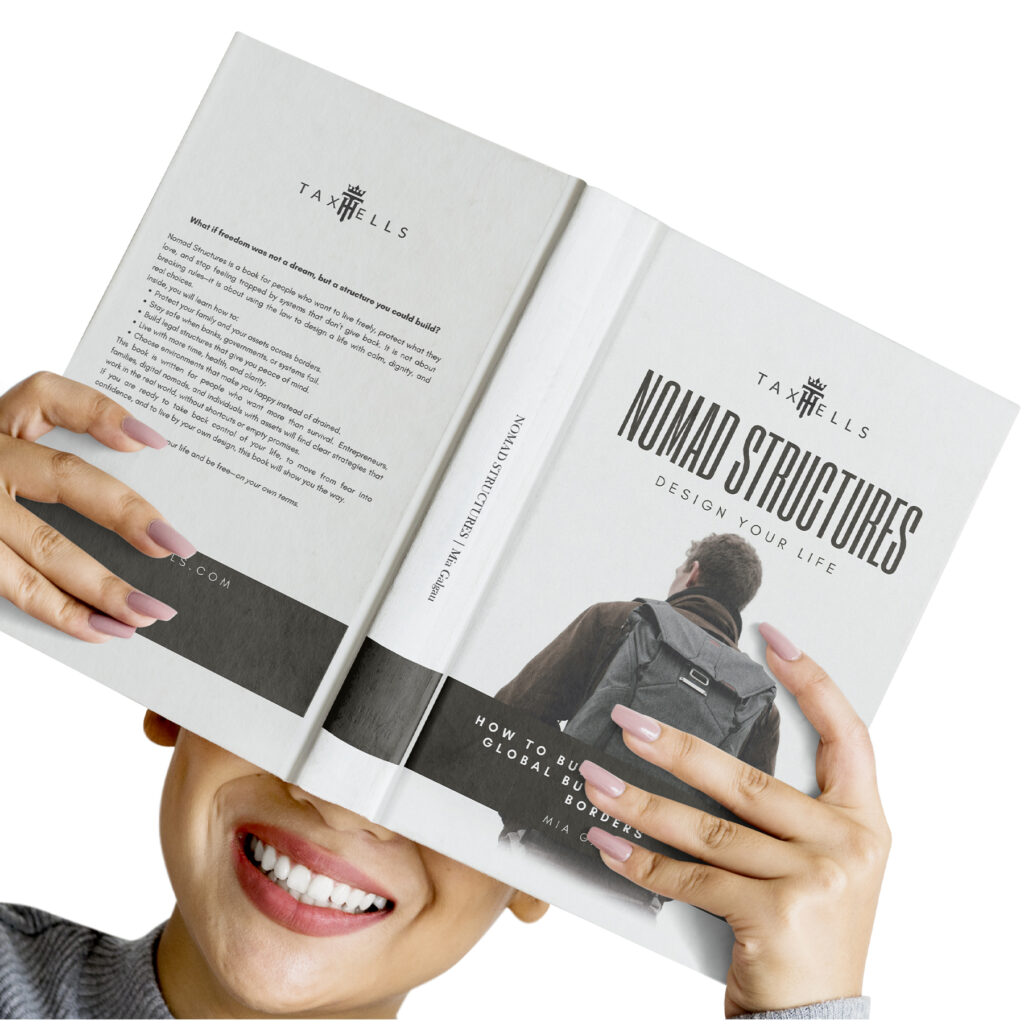
The book Nomad Structures captures this discipline. It is not a guide to tourism, but a manual on how to transform location independence into sovereignty. Its focus is on foresight and resilience, not improvisation.
Conclusion: Freedom With Foundations
The difference between a fragile adventure and lasting independence lies in preparation. Research, due diligence, and structured planning allow the digital nomad to move not as a tourist, but as a sovereign individual.
Those preparing for this lifestyle should begin not with airline tickets, but with knowledge. Platforms like Taxhells and resources such as Nomad Structures provide the intelligence required to turn the promise of freedom into reality.


